Thursday, May 15, 2008

Saturday, March 29, 2008
Interview about Christianity in Zaxo, southern Kurdistan
Q: Please tell us about the Christian community in Zaxo(Zakho)!
Zaxo a city in bahdinan region Southern Kurdistan. A ancient city with a history of Jewish and Christian background. Today for instance the city still has a small Christian community. A community who does play a big role in the society. The larges Christian minority in Zaxo today are Armenians and Chaldeans. Before the 1915 genocide and the deportation of Armenians during the Ottoman empire the city did have a very small Armenian community living. The small Armenian community in Zaxo was growing with other Armenian survivors from the Ottoman empire that settled also in Zaxo. The others continued to move on to Christian villages near Zaxo and other cities out of Kurdistan to cities like Bagdad and Basra.
Assyrian and Chaldean are also part of the christian comminutiy in Zaxo but after many Armenians from the Ottoman empire who settled in Zaxo Armenians became the largest Christian community.
Q: How is the relations between the Assyrians, Armenians and Kurds in Zaxo(Zakho)?
Today Kurdish Muslims are the largest community in Zaxo. The relationship with the Christians has always been good. Muslim and Christian have been living peacefully side by side in the city.
Q: Can Christians in Zaxo(Zakho) practise their religion openly?
Of course a Christian in Zaxo can openly practice their religion. You have plenty of churches where they could go and pray peacefully.
Q: How many churches are there in Zaxo(Zakho) approximately?
We have four churches in Zaxo. The biggest church in Zaxo is a Armenian Apostolic Orthodox church its located in the middle of the city, two Catholic Chaldean Churches the last one a Assyrian church.
Friday, March 21, 2008
Îsa li ser Avê Rêve Diçe

Îsa li ser Avê Rêve Diçe
22 Gava ku Îsa elalet verêdikir, wî zû pêstûrî li şagirtên xwe kir ku ew li qeyikê siwar bibin û ji beriya wî derbasî aliyê din ê golê, Beytsaydayê bibin. 23 Piştî ku wî elalet verêkir, hingê bi serê xwe hilkişiya çiyê, da ku dua bike. Dema ku bû êvar, ew li wir bi tenê bû. 24 Di wê navê de qeyik ji bejê gelek dûr ketibû û ber pêlan diket, çimkî ba ji hember wan ve dihat.
 emir bide ku ez li ser avê bêm ba te.» 29 Wî got: «Were!» Hingê Petrûs jî ji qeyikê peya bû, li ser avê rêve çû û ber bi Îsa ve hat. 30 Lê çaxê dît ku bager xurt e, tirsiya û xewirî* nav avê, qîriya û got: «Ya Xudan, min xilas bike!» 31 Îsa di cih de destê xwe dirêj kir, ew girt û jê re got: «Ey kêmîmano! Tu çima dudilî bûyî?» 32 Dema ku ew hilkişiyan qeyikê, ba rawesta. 33 Hingê yên ku di qeyikê de bûn, perizîn* wî û gotin: «Bi rastî tu Kurê* Xwedê yî.»

Kurds in Nashville

Kurds demonstrating against the Turkish aggression against southern Kurdistan in Nashville outside a Church.

KRG condemns killing of Archbishop of Mosul, Faraj Raho
Source - KRG.org

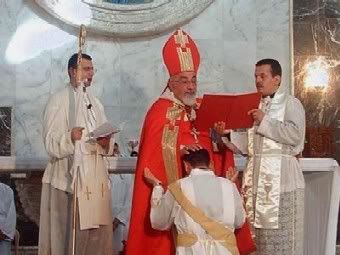
The Kurdistan Regional Government (KRG) strongly condemns the killing of Archbishop Faraj Raho, the head of the Chaldean Church in Mosul.
On the evening of 29 February 2008, Monsignor Raho and three of his assistants were kidnapped at gunpoint after celebrating mass at Mosul's Church of the Holy Spirit. At that time, the three men accompanying the Archbishop were shot and killed. Yesterday, after a period of two weeks, the body of Monsignor Raho was found.
The KRG strongly condemns this inhumane and cowardly act and reiterates that terrorists cannot impede the peaceful coexistence of different ethnic and religious groups in Iraq. Through their violent acts, the terrorists achieve only shame and condemnation.
 The KRG urges the people and administration of Mosul to work together in order to achieve security and stability. It is willing and ready to assist the city administration in defeating the terrorists and restore stability.
The KRG expresses its sincere condolences to the Chaldean community and the family and friends of Archbishop Raho and his three assistants.
Sunday, February 24, 2008

Saturday, February 23, 2008
Mêwa Rastîn
 Mêwa Rastîn
 15 1 «Ez mêwa rastîn im, Bavê min jî rezvan e. 2 Ew her şivika min a ku fêkî nade dibire; her şivika ku fêkî dide jî, ji bo ku bêtir fêkî bide dikezixîne û paqij dike. 3 Bi gotina ku min ji we re got, ji xwe hûn paqij in. 4 Bi min re bimînin, ez jî bi we re. Çawa ku şivik bi mêwê ve nemîne ji ber xwe nikare fêkî bide, hûn jî wusa bi min re nemînin hûn nikarin fêkî bidin.
5 «Ez mêw im, hûn jî şivik in. Yê ku bi min re dimîne û ez bi wî re dimînim, ew gelek fêkî dide. Çimkî bêyî min hûn nikarin tu tiştî bikin. 6 Eger yek bi min re nemîne, wê wek şivika mêwê bê avêtin derve û hişk bibe. Hingê ew tên civandin, tên avêtin nav êgir û dişewitin. 7 Eger hûn bi min re bimînin û gotinên min di dilê we de bimînin, hûn her çi dixwazin bixwazin, wê ji we re bê dayîn. 8 Bavê min bi vê yekê, bi zêde fêkî dayîna we bi rûmet dibe û bi vî awayî hûnê bibin şagirtên min.

Choir of Mor Yacoub of Nisibin (Northern Kurdistan) – Sweden
 Click and listen (*.RAM files)
(Church Hymn)
Lyrics: Melphono Naoum Fayiq
Music:
(Church Hymn)
Lyrics:
Music:
Listen to All the Songs
Churches and monasteries in Kurdistan
 Dayro D'Kurkme (Dair Al-Za'faran) monastery in Mardin - northern Kurdistan
(from bethsuryoyo.com)

The bell tower of Mor Yacoub (St. Jacob) church in Qamishly, west Kurdistan.
(from bethsuryoyo.com)

The altar of the Dayro D'Kurkme (Deir Al-Za'faran) monastery in Mardin, northern Kurdistan.
(from bethsuryoyo.com)

The Syriac Orthodox Church Choir in Qamishly, west Kurdistan.
(from bethsuryoyo.com)

The Syriac Orthodox Church of the Virgin Mary in Qamishly, west Kurdistan.
(from bethsuryoyo.com)


Cristiani Del Kurdistan

| Kurdish Library House - SARA | ||
| Title | Cristiani Del Kurdistan | |
| Author | Galletti, Mirella | |
| Info | Assiri, Caldei, Siro-Cattolici e Siro-Ortodossi | |
| Price | 48 EUR | BUY! |
Avaible at Sara Disbribution
Wednesday, February 13, 2008
Sarkis Aghajan Mamendu

Sarkis Aghajan Mamendu was appointed the Kurdistan Regional Government’s (KRG’s) Minister for Finance and the Economy in May 2006.
He had previously held the post of Finance Minister and Deputy Prime Minister in the Erbil and Dohuk administration of the KRG.
Mr. Aghajan, born in 1962 in Diyana, Erbil Province, is an Assyrian and a leading member of the Iraqi Christian community. The Assyrian people in the Kurdistan Region and other parts of Iraq are believed to have descended from the ancient Assyrians of Mesopotamia, who ruled over a vast empire across the Middle East.
Mr. Aghajan is known throughout the Kurdistan Region and in Iraq for his commitment to the ancient Assyrian community, through his efforts to rebuild villages and churches destroyed by the previous Iraqi regime and to promote and protect Christian rights.
In 2006, Pope Benedict XVI awarded Mr. Aghajan the Knight Commander of the Order of Saint Gregory the Great for his work with the Assyrian Christian community in Iraq.
Mr. Aghajan sees foreign direct investment and the development of a banking and insurance system as key to the continuing growth and expansion of the Kurdistan Region’s economy. He sits on the KRG’s supreme council for strategic economic development, which is headed by the Prime Minister.
Tuesday, February 12, 2008

Monday, February 11, 2008
Movie about a Kurdish Christian
The movie is in Turkish but with English subtitles
Sunday, February 10, 2008
Church on Kurdish island
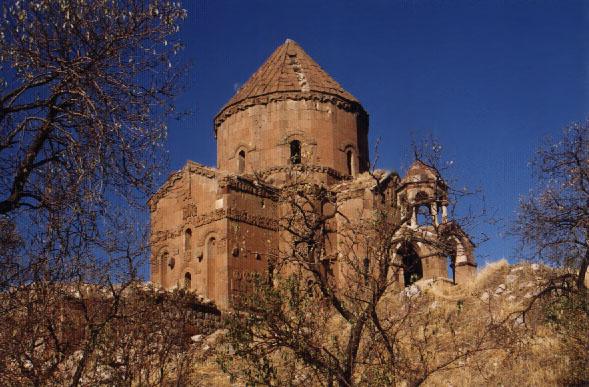
The beautiful Church, Akh Tamara from 10th century on an island on the Kurdish Lake Wan
saradistribution.com
Garden of Eden in Kurdistan
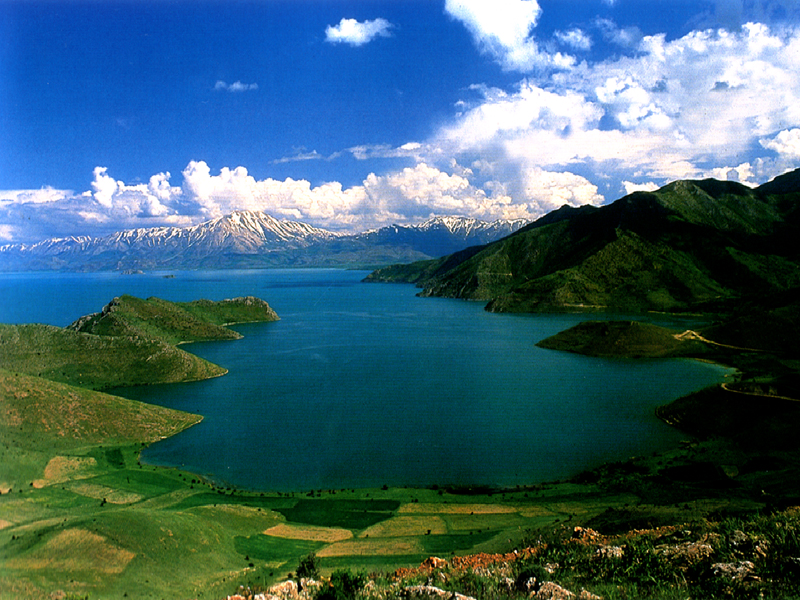
According to the Old Testament the Kurdish Wan Lake is The lake in the Garden of Eden
(from saradistribution.com)
"I am the ligth in this world" - Îsa Mesî

Yûhenna 8:12
Ronahiya Dinyayê
12 Îsa dîsa bi wan re peyivî û got: «Ez ronahiya dinyayê me; yê ku li pey min bê, tu caran di tariyê de rêve naçe, lê wê bibe xweyî ronahiya jiyanê.» 13 Fêrisiyan lê vegerand û gotin: «Tu şahidiya xwe dikî; şahidiya te ne rast e.» 14 Îsa bersîv da û ji wan re got: «Eger ez bi xwe şahidiya xwe bikim jî, şahidiya min rast e; çimkî ez dizanim ku ez ji ku derê hatim û diçim ku derê. Lê hûn nizanin ku ez ji ku derê têm an diçim ku derê. 15 Hûn li gor ku çav dibîne dadbar dikin, lê ez tu kesî dadbar nakim. 16 Lê eger ez dadbar bikim jî, dadbarkirina min rast e; çimkî ez ne bi tenê me, ez û Bavê ku ez şandime em bi hev re ne. 17 Di Şerîeta we de jî hatiye nivîsîn ku şahidiya du kesan rast e. 18 Ez şahidiya xwe dikim û Bavê ku ez şandime jî şahidiya min dike.»
19 Li ser vê yekê wan jê pirsî: «Bavê te li ku derê ye?» Îsa bersîva wan da: «Hûn ne min nas dikin ne jî Bavê min. Eger we ez nas bikirama, weyê Bavê min jî nas bikira.» 20 Îsa ev peyvên ha, çaxê li Perestgehê hîn dikir, li cihê ku lê pere dicivandin gotin, lê kesî ew negirt, çimkî hê saeta wî nehatibû.